Welcome
Welcome to Under Ground Mining
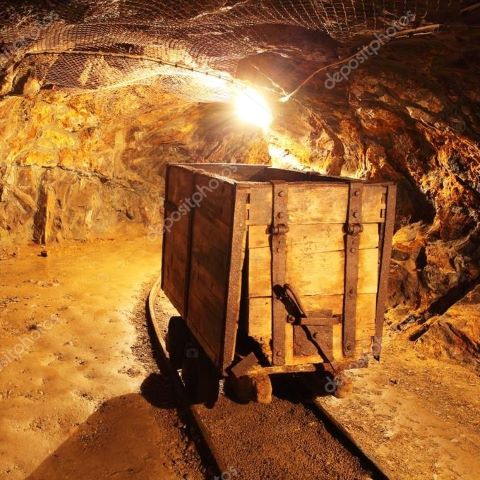
Underground mining, a contrasting yet complementary method to surface mining, ventures deep beneath the Earth's surface to extract valuable resources. From precious metals like gold and diamonds to essential materials like coal and salt, this technique offers access to deposits inaccessible through surface methods. However, underground mining presents its own set of challenges and considerations. The empty space is then backfilled with waste rock to maintain stability. It's suitable for extracting metals like gold, copper, and lead.
There are several primary methods of underground mining, each suited to the specific deposit and surrounding rock conditions: This method creates a network of tunnels and chambers, leaving behind pillars of rock to support the ceiling. It's commonly used for extracting coal and salt. This technique utilizes a massive cutting machine that continuously shaves slices of coal from a long wall. It's a highly efficient method for extracting large, flat coal seams. This method involves creating large underground cavities, removing most of the ore body.
Risks and Considerations
While underground mining provides access to valuable resources, it's not without its challenges: Workers face constant risks like rock falls, cave-ins, and exposure to dust and hazardous gases. Maintaining proper ventilation and implementing robust safety protocols is crucial. Transporting personnel, equipment, and extracted materials within the confined spaces of an underground mine presents logistical difficulties. While less disruptive to the surface landscape than strip mining, underground mining can still impact the environment. Waste rock disposal and potential for water contamination from mine drainage require careful management.
Illuminating the Path Forward
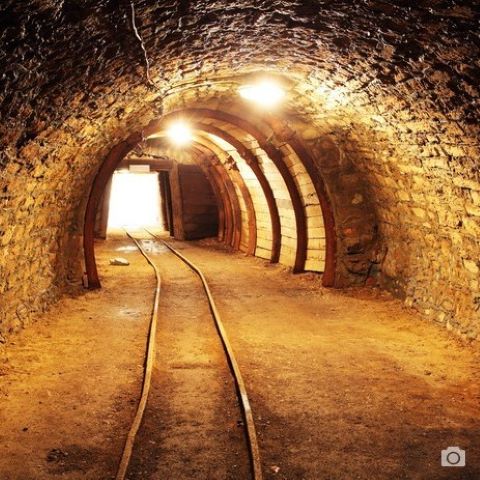
Technological advancements are continuously improving the efficiency and safety of underground mining. Here are some notable examples: Utilizing remotely operated machinery minimizes worker exposure to hazards in unstable areas. Advanced software allows for detailed 3D mapping of mine structures and real-time monitoring of ground stability. Automation of repetitive tasks can improve efficiency and reduce risks associated with manual labor.
Future for Underground Mining
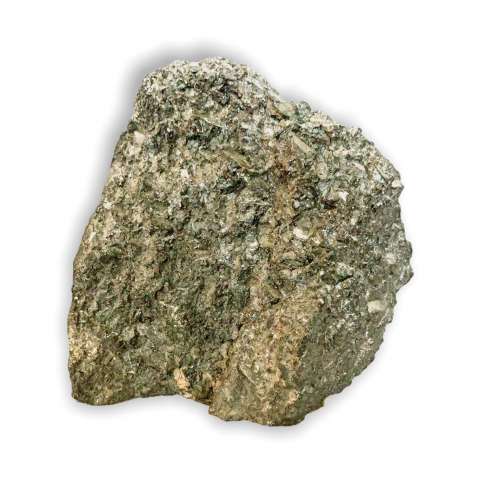
As the demand for resources continues, the responsible development of underground mining remains crucial. Here's how to ensure a sustainable future for this industry: Constant investment in safety measures, training programs, and emergency preparedness protocols is essential. Developing cleaner technologies, utilizing closed-loop water systems, and responsible waste rock disposal are key aspects of sustainable mining. Careful exploration and planning can identify the most efficient and environmentally responsible methods for extracting resources. By embracing technological advancements, prioritizing safety, and implementing sustainable practices, underground mining can continue to play a vital role in meeting our resource needs while minimizing the impact on our planet.