Welcome
Welcome to Under Water Mining
The Earth's final frontier isn't space, but the vast, unexplored expanse of the ocean depths. This underwater realm holds a treasure trove of valuable minerals, and a new industry – underwater mining – is emerging to harvest them. However, this nascent technology sparks debates about environmental sustainability and the ethical implications of exploiting this unseen world. The vastness of the oceans means these resources are potentially abundant, but their true extent and environmental implications remain largely unknown.
The ocean floor is a treasure chest brimming with resources critical for modern technology. These riches include: Potato-sized nodules rich in metals like manganese, copper, nickel, and cobalt – essential components of electric vehicle batteries and renewable energy infrastructure. These spewing underwater chimneys harbor deposits of valuable metals like gold, silver, and rare earth elements used in electronics and green technologies. Layers rich in cobalt, found on underwater mountain slopes, are another target for the extraction of battery metals.
The Challenges of Underwater Mining
Underwater mining presents a unique set of challenges: Operating in the harsh environment of the deep sea, with immense pressure and darkness, requires highly specialized and expensive equipment. The deep sea is a fragile ecosystem with poorly understood life forms. Mining activities could disrupt these ecosystems, stirring up sediment plumes, harming deep-sea creatures, and potentially releasing harmful toxins. As a new industry, international regulations and frameworks for responsible deep-sea mining are still under development, raising concerns about potential exploitation. The long-term environmental impact of underwater mining remains a significant question mark.
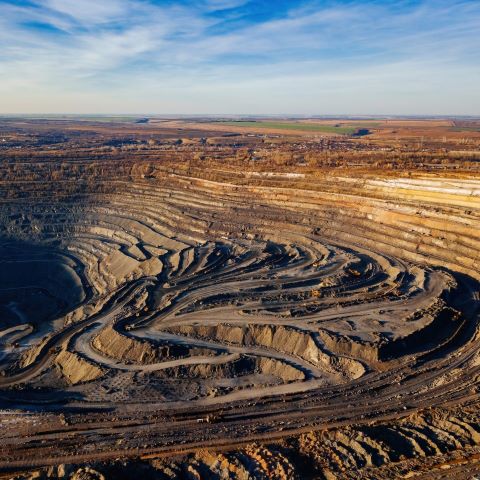
Future for the Deep Blue
Despite the challenges, there's potential for responsible underwater mining. Here are some ways to ensure a sustainable future for this industry: Comprehensive studies are crucial to understand potential risks and develop mitigation strategies before mining commences. Continued investment in robotics and automation can minimize human intervention and the environmental footprint. Robust international regulations and independent monitoring are essential to prevent environmental damage and ensure ethical practices. Transparency and collaboration between governments, mining companies, and environmental scientists are key to navigating the ethical and environmental complexities of underwater mining.
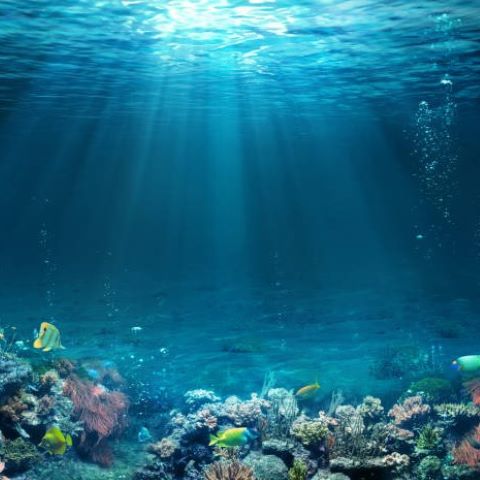
The Future of the Deep
Underwater mining holds the potential to provide critical resources for a low-carbon future. However, responsible development requires careful consideration of the environmental risks and implementation of robust regulations. The choices we make today will determine whether the riches of the deep sea are harvested sustainably or become another cautionary tale of environmental exploitation.